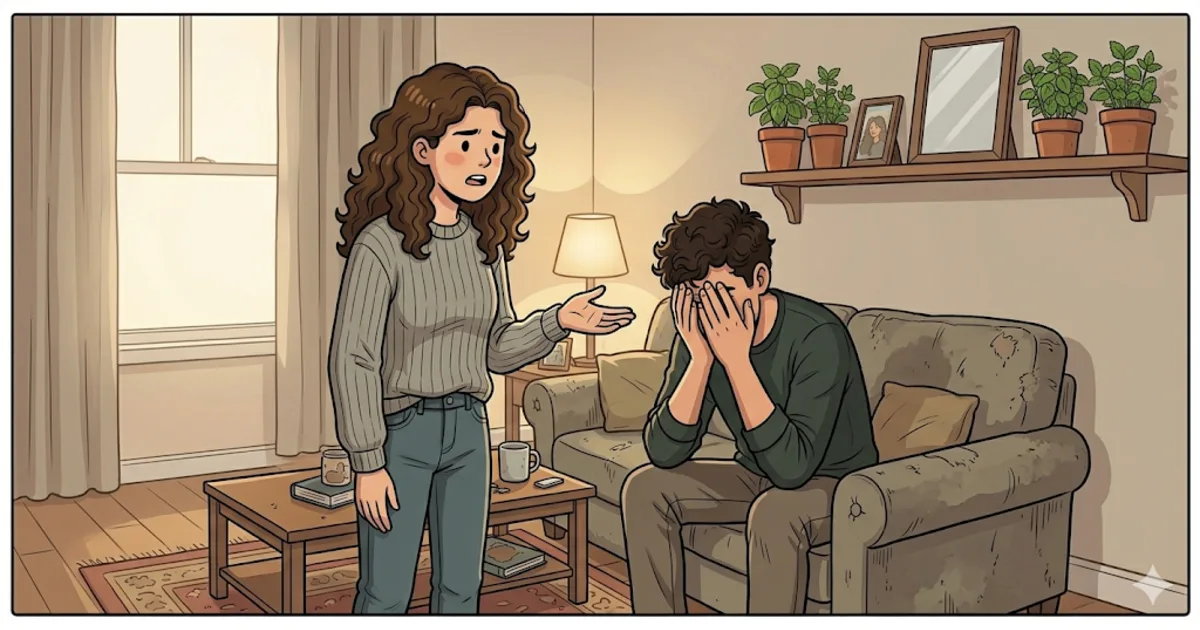

The Pursuer–Distancer Dynamic in Relationships

The pursuer–distancer dynamic is a self-reinforcing relationship pattern in which one partner seeks more closeness and reassurance while the other manages stress by pulling back. The more one pushes for connection, the more the other retreats — and the more they retreat, the harder the first one pushes. Both partners end up feeling misunderstood and alone in the same room, even though both are usually trying to make the relationship work.
You want to talk about what happened. Your partner wants space to think. You try harder to connect; they pull further away. Eventually, both of you feel completely alone — even though you are in the same room. If this sounds familiar, you may be caught in one of the most common relationship patterns there is.
What Is the Pursuer–Distancer Dynamic?
In many couples, one partner tends to seek more emotional closeness, conversation, and reassurance (the pursuer), while the other manages stress by pulling back, going quiet, or needing more time alone (the distancer). This pattern is sometimes called the pursue–withdraw or demand–withdraw cycle in the research literature.
The cycle is self-reinforcing: the more one partner pushes for connection, the more overwhelmed the other feels and retreats; the more that partner retreats, the more anxious and activated the pursuer becomes, intensifying their efforts. Over time, both partners can end up feeling misunderstood, pressured, and alone—despite wanting the relationship to work. This dynamic is closely related to differentiation — the ability to stay connected while maintaining your own emotional boundaries.
What Drives the Pursuer?
Pursuers typically regulate anxiety by moving toward the relationship. When something feels off, they want to talk, clarify, and reconnect quickly. Common features include:
- High focus on emotional connection, responsiveness, and talking things through.
- Sensitivity to distance, silence, or vague answers, which can be interpreted as rejection or abandonment.
- Escalation under stress: more questions, repeated attempts to “fix” the issue, or criticism when softer approaches feel ignored.
Underneath, the pursuer is usually not trying to control; they are trying to re-establish safety. Emotionally Focused Therapy (EFT) work suggests that anger or intensity on the surface often covers vulnerable fears of being unimportant, left, or too much. When pursuit shades into self-erasure or compulsive accommodation rather than authentic asking, it can overlap with patterns described in the fawn response.
In a replication and extension of the interpersonal process model, Baucom, McFarland, and Christensen (2020) found that demand–withdraw behaviour predicts lower relationship satisfaction over time and operates as a self-reinforcing cycle — meaning the pattern, not either partner, is the most useful unit of intervention.
What Drives the Distancer?
Distancers regulate anxiety by moving away from the relationship when emotions run high. When things feel tense, they may need time to think, calm their body, or avoid saying something they will regret. Typical patterns include:
- Pulling back, becoming quieter, or focusing on tasks when conflict arises.
- Feeling flooded or criticised when the partner pursues hard, even if they intellectually understand the need for closeness.
- Worrying that engagement will only make things worse, leading to avoidance of difficult topics.
From the distancer’s perspective, retreat is often an attempt to protect the relationship and keep things from escalating, not proof of indifference. Unfortunately, this protective strategy tends to confirm the pursuer’s worst fears about being alone in the relationship.
Why Do Both Partners End Up Lonely?
The tragedy of the pursuer–distancer dynamic is that each partner’s solution becomes the other partner’s problem.
- The pursuer’s way of seeking safety (more contact, more talk) is experienced by the distancer as pressure, criticism, or monitoring, which raises their anxiety and leads them to withdraw further.
- The distancer’s way of seeking safety (space, quiet, delay) is experienced by the pursuer as absence, rejection, or confirmation that “I care more than you do,” which intensifies their protests and pursuit.
Research on demand–withdraw patterns shows that this style of interaction is associated with higher relationship distress, more negative affect in both partners, and, over time, increased risk of breakdown if it remains rigid and unaddressed. Importantly, roles can flip: when a pursuer burns out and distances, the original distancer may suddenly become the one pursuing connection.
How Can Couples Shift From Blame to Shared Cycle?
Emotionally Focused Therapy conceptualises the pursuer–distancer pattern as a cycle the couple is caught in, rather than a problem located in one person. This reframe matters: instead of “You’re too needy” or “You’re too distant,” the focus moves to “Our nervous systems are trying to feel safe in opposite ways.”
Steps that are often helpful in therapy and in everyday life include:
- Naming the cycle together. Using language like “We’re in our pursue–withdraw pattern right now” can reduce shame and defensiveness.
- Slowing down emotional escalations. Agreeing on signals and brief time-outs when either partner feels flooded, with a clear commitment to return to the conversation. Practical communication tools such as I-statements and structured time-outs can help with this.
- Sharing the softer emotions underneath. The pursuer practising expressing fear and longing (“I’m scared of losing you”) rather than only anger, and the distancer sharing worries about failing or making things worse rather than disappearing.
- Experimenting with small moves toward balance. Pursuers working on pausing and giving space without abandoning their need for connection; distancers working on staying slightly more engaged and reachable than feels comfortable, in tolerable steps.
When both partners can see the dynamic as a shared pattern and access each other’s underlying fears, the loop often softens: the pursuer feels less alone, and the distancer feels less attacked, making new responses possible. Building and maintaining love maps — staying curious about each other’s inner world — is one way to keep the connection alive even when the pattern surfaces.
If this pattern feels deeply entrenched or is causing significant distress, working with a couples therapist trained in Emotionally Focused Therapy or a similar evidence-based approach can provide structured support for both partners.
Key Takeaways
- The pursuer–distancer dynamic is a self-reinforcing cycle where one partner seeks closeness and the other pulls back—and both end up feeling alone.
- Pursuers are usually trying to re-establish safety, not control; distancers are usually trying to protect the relationship, not dismiss it.
- Each partner’s coping strategy inadvertently triggers the other’s anxiety, keeping the cycle going.
- Roles can flip: a burned-out pursuer may become the distancer, and vice versa.
- Shifting the pattern starts with naming the cycle together, slowing escalations, sharing softer emotions, and making small moves toward balance rather than demanding dramatic change.
References
-
Baucom, B. R., McFarland, P. T., & Christensen, A. (2020). A replication and extension of the interpersonal process model of demand/withdraw behavior. Journal of Family Psychology, 34(5), 569–580.
-
Empathi. (2026, March 2). The pursue–withdraw cycle: Why couples get stuck in the same argument. https://empathi.com/blog/pursue-withdraw-cycle-couples-same-argument/
-
Gaspard, T. (2022, April 1). How to avoid the demand–withdraw pattern in marriage. Patheos. https://www.patheos.com/blogs/terrygaspard/2022/04/how-to-avoid-the-demand-withdraw-pattern-in-marriage/
-
Gottman Institute. (2020, February 21). The pursuer–distancer dynamic. https://www.gottman.com/blog/the-pursuer-distancer-dynamic/
-
Journeys Counseling. (2024, March 10). Emotional disconnection: The pursuer and distancer dynamic. https://journeyscounselingaz.com/blog/emotional-disconnection-pursuer-distancer-dynamic
-
RegainLove. (2015). Anxious–avoidant trap: Break the cycle. https://www.regainlove.com/en-gi/guide/attachment-psychology/anxious-avoidant-trap-break-the-cycle
-
RWA Psychology. (2018, March 8). Breaking out of the pursuer–distancer cycle in relationships. https://www.rwapsych.com.au/blog/breaking-out-of-the-pursuer-distancer-cycle-in-relationships/
-
Stephanie Bain Therapy. (2024, August 15). The pursuer/withdrawer dynamic in relationships. https://www.stephaniebaintherapy.com/blog/pursue-withdraw
-
Watson, N. (2020). The pursuer–distancer dynamic. In J. Gottman (Ed.), The Gottman Relationship Blog (online article).
You might also like