Love Maps: Intimacy Starts With Curiosity

A love map is the mental map you carry of your partner’s inner world — their current stresses, hopes, preferences, fears, friendships, and the small details of who they are right now. The term was coined by relationship researcher John Gottman, who found that couples with rich, regularly updated love maps tend to weather conflict and life transitions far better than those who rely on outdated assumptions about each other.
Many long-term couples assume that knowing each other well is something that happens automatically with time. But intimacy is not a passive accumulation — it is something you actively maintain. Two people can share a home for decades and still feel like strangers in the ways that matter most, while a newer couple who asks real questions can feel deeply known. The difference often comes down to the strength of their love maps.
What Are Love Maps?
“Love maps” is a term used in relationship research and therapy to describe how well you know your partner’s inner world. It is the mental map you carry of their current stresses, hopes, preferences, memories, sensitivities, and daily life. Two people can live together for years yet have surprisingly outdated or vague maps of each other.
In long-term relationships, it is easy to assume we already know who our partner is because we know their history. Love maps remind us that intimacy is not just about shared years; it is about staying curious about who the other person is now.
Why Are Years Together Not Enough?
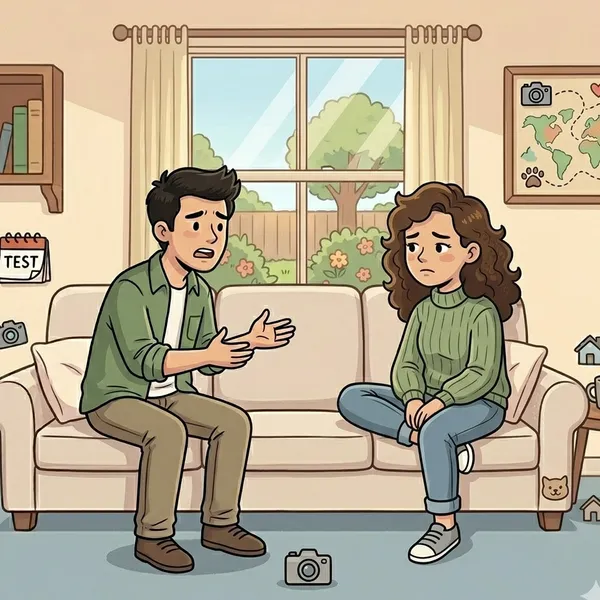
Time alone does not automatically deepen intimacy. Couples can spend many years side by side while talking mainly about logistics: schedules, chores, children, finances, to-do lists. The relationship may function, but emotionally it can start to feel like a partnership between colleagues rather than a connection between two inner worlds.
When we stop asking questions, we often keep relating to an older version of our partner. We may miss changes in their values, fears, or dreams, and they may start to feel unseen: “You know my biography, but not my current experience.” This is where resentment and loneliness can quietly grow, even in long relationships. The ability to stay curious about your partner while also staying true to yourself is part of what therapists call differentiation.
What Goes Into a Love Map?
A rich love map includes both “big picture” and “small detail” knowledge. For example:
- What currently stresses your partner, and what helps them feel calmer.
- Their recent wins, disappointments, and private worries.
- How they like to be comforted when they are overwhelmed.
- The people who matter most to them right now.
- Small preferences: favourite snacks, music, TV shows, rituals that help them wind down.
- The stories they tell themselves about who they are and what their life means.
These details might sound simple, but together they form an internal sense of “I am known here.” For many people, that feeling is at the core of emotional safety and belonging.
What Questions Help Build Love Maps?
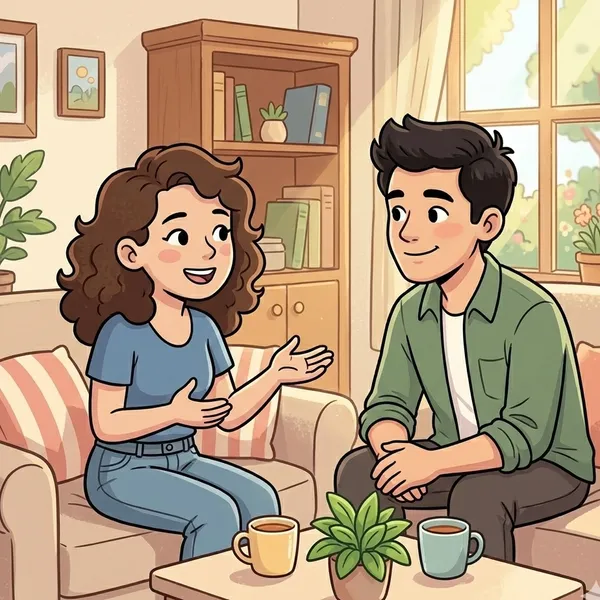
Intimacy grows when we regularly invite each other to share more than surface-level updates. You do not have to ask heavy questions every day; consistent curiosity in small doses is more sustainable. Some examples:
- “What’s been quietly on your mind this week that I might not know about?”
- “Is there anything you’re looking forward to or dreading in the next month?”
- “What’s something small that made you feel good recently?”
- “When you’re stressed lately, what feels most supportive from me—and what doesn’t help?”
- “Is there a way you’ve changed in the last few years that you wish I noticed more?”
- “What kind of relationship do you want us to have in this next chapter?”
These questions are not a test your partner has to pass. They are invitations: “I want to keep discovering you, even after all this time.”
How Can You Practise Curiosity in Everyday Life?
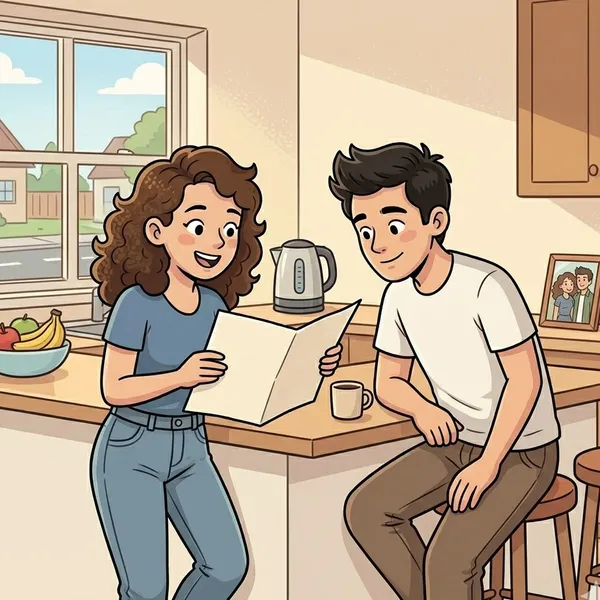
Love maps do not have to be built through formal “relationship talks.” They can be updated in small moments:
- Asking follow-up questions when your partner mentions a feeling or event, instead of switching topics.
- Putting your phone away for a few minutes when they start sharing, to signal that their inner world is important to you.
- Remembering details they have told you and circling back later: “How did that meeting you were nervous about go?”
- Sharing your own inner world too, so the map is mutual rather than one-sided. (If you find yourself sharing only what you think your partner wants to hear, that may be worth exploring as a fawn pattern rather than genuine intimacy.)
Drawing on observations of thousands of couples in his Seattle “Love Lab,” Gottman frames this as a deceptively simple finding: couples with detailed love maps weather major life transitions and conflict noticeably better than couples without them (Gottman & Silver, 2015). Knowing the small, ordinary details of each other’s inner world is what makes the harder conversations survivable.
Over time, these small acts of curiosity can make conflict easier to navigate. When you already hold a detailed map of each other’s fears, triggers, and longings, disagreements are less about “winning” and more about protecting a connection that both of you value. Having strong communication tools — such as I-statements and reflective listening — makes these conversations even more productive.
What If Love Maps Feel Hard to Build?
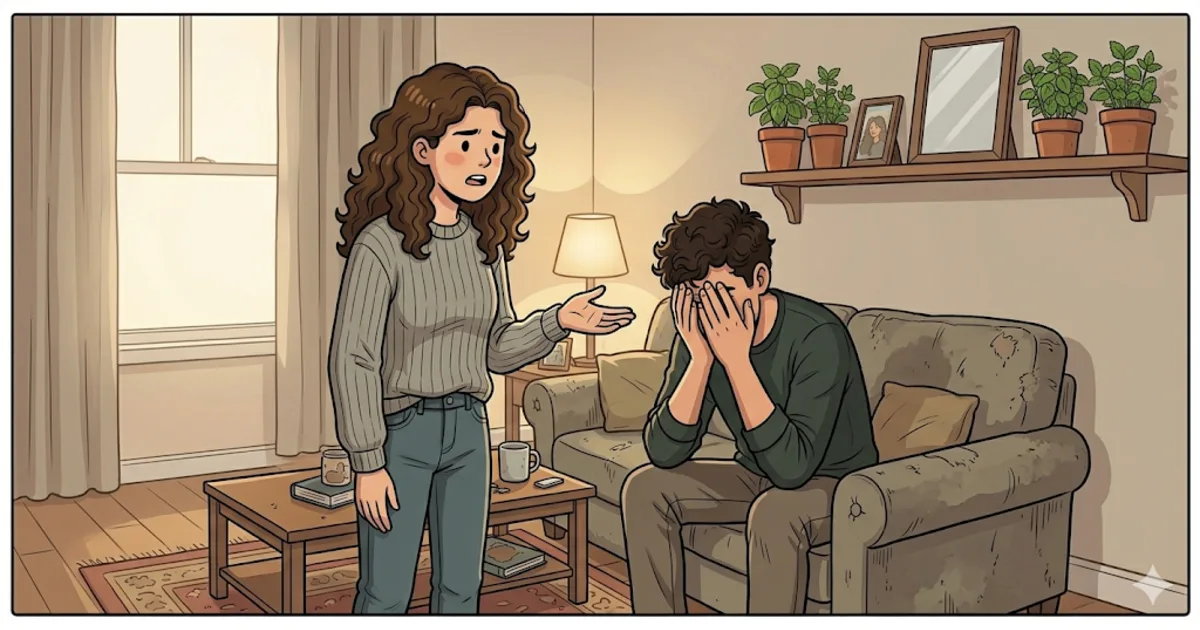
If you have grown distant, starting these conversations can feel awkward or risky—especially if there has been conflict, criticism, or withdrawal. It can help to:
- Begin with lighter questions and appreciation before moving into more vulnerable topics.
- Name the intention: “I’d like us to feel more connected again, and I want to understand you better. Would you be open to trying some questions now and then?”
- Respect your partner’s pacing; some people need time to warm up to emotional questions.
If attempts to connect regularly end in escalation, shutdown, or past hurts taking over, it may help to explore whether a pursuer–distancer pattern is at play. Outside support (for example, couples therapy) can offer a safer structure for rebuilding curiosity and emotional safety.
Key Takeaways
- Love maps are the internal picture you carry of your partner’s current inner world—not just their history.
- Time together does not automatically keep these maps accurate; ongoing curiosity does.
- Small, regular questions and genuine follow-ups build the feeling of being truly known and emotionally safe.
- Love maps make conflict easier because you already understand each other’s fears, triggers, and needs.
- If reconnecting feels difficult, starting gently and naming the intention can help—and professional support is there for when it is needed.
References
-
Gottman, J. M., & Silver, N. (2015). The seven principles for making marriage work (Rev. ed.). Harmony Books.
-
Gottman Institute. (2015, March 10). Build Love Maps. https://www.gottman.com/blog/build-love-maps/
-
Gottman Institute. (2012, November 6). The Sound Relationship House: Build Love Maps. https://www.gottman.com/blog/the-sound-relationship-house-build-love-maps/
-
Verywell Mind. (2023, July 10). How a love map can help your relationship thrive. https://www.verywellmind.com/how-a-love-map-can-help-your-relationship-thrive-7554854
-
Love Map Exercise. (2020). The Gottman Love Map exercise [PDF]. New Path Centre. https://newpathcentre.ca/wp-content/uploads/2020/09/build-love-maps-love-map-exercise.pdf
-
Phronetic Psychotherapy. (2025, February 7). What is a Love Map in Gottman’s couples therapy and how do you build one? https://www.phronetic-psychotherapy.org/blogs/love-map-in-gottmans-couples-therapy
-
Hello Alma. (2026, February 4). How to use Love Maps to improve relationship communication. https://helloalma.com/blog/how-to-use-love-maps-relationship-communication/
You might also like